
Best Cloakers Compared: Technical Criteria and a Real Head-to-Head for 2026

A cloaker is a traffic filtering system that decides, in milliseconds, whether a visitor sees your real offer page or a safe page. It separates moderators, bots, spy tools, and review crawlers from genuine buyers. The best cloakers combine proprietary filtering, native tracking, high-volume infrastructure, and direct integration with ad platforms, while weaker tools outsource detection and break under scale.
Most “best cloaker” lists online are affiliate listicles ranked by commission, not by filtering quality. If you run six figures a month in ad spend, that ranking method costs you accounts.
This comparison uses eight objective criteria to put the main players side by side, so you can match the tool to your operation instead of someone else’s payout.
What a Cloaker Actually Does in 2026
That last part matters. The old mental model of a cloaker as a quick trick to slip past a human reviewer died somewhere around 2023.
Cloaker, redirect script and safe page are not the same thing
A lot of buyers still confuse three different things. A redirect script just sends traffic somewhere. A safe page is the content a reviewer sees. A real cloaker is the decision engine that analyzes fingerprint, IP reputation, headers and behavior before choosing where each click goes.
Plenty of tools sold as cloakers are glorified redirect scripts with an IP blocklist bolted on. They look identical in a sales page. They behave very differently under a Meta review bot.
What changed in traffic source review between 2023 and 2026
Ad platforms stopped relying on human reviewers for first-pass checks. Today you are filtered by machine learning crawlers, in-app browsers with their own fingerprints, and device-level signals that a static blocklist never catches.
That shift rewrote the comparison criteria. A cloaker that worked fine on 2023 traffic volumes and 2023 bots can burn an account in hours today. This is why tools like The White Rabbit invest in proprietary filtering instead of renting third-party detection, and why the next section defines the criteria before any head-to-head.
The Technical Criteria That Separate a Real Cloaker From a Toy
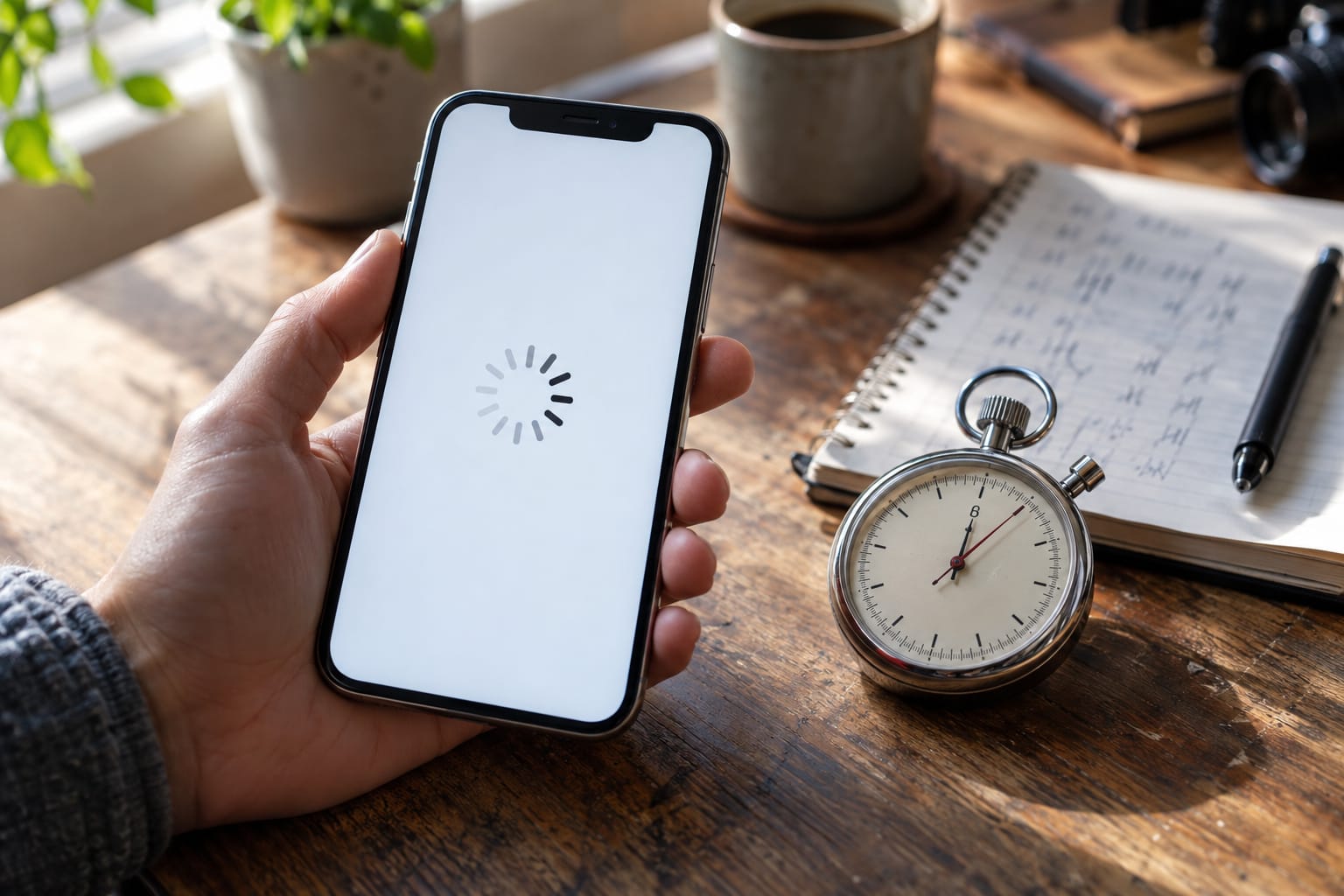
Before comparing names, you need a ruler. These six criteria expose weak cloakers fast, and every one of them has a measurable failure mode.
Filter accuracy and false positives
A good cloaker blocks reviewers without blocking buyers. Anything above 2-3% false positives on real users means paid clicks hitting your safe page. The symptom: CPA climbing while CTR stays flat.
Database update frequency
IP, ASN and ISP lists age in days, not months. Meta and Google rotate review ranges constantly. A cloaker updating weekly is filtering last week’s war. The symptom: sudden account bans with no setup change.
Fingerprint and behavioral signals
IP alone stopped being enough around 2023. Real filtering cross-checks device fingerprint, headers, JS execution and behavior. Tools relying on IP blocklists get beaten by residential-proxy review bots.
Latency and TTFB
Every filtering decision adds time. Under 100ms is invisible; above 300ms you bleed conversions before the page loads. Test it with real traffic, not a single ping.
Uptime and redundancy
If the cloaker goes down, your campaign either exposes the real page or shows everyone the safe one. Both burn money. Demand distributed infrastructure, not one VPS.
Native ad source integration
Meta, Google, TikTok and Kwai each send different signals. A cloaker with per-source presets filters sharper than a generic ruleset stretched across all of them.
Now apply this ruler to the market.
Head-to-Head: How the Main Cloakers Compare

Apply the six criteria from the last section and the market splits into three groups fast.
Self-hosted scripts vs SaaS cloakers
Self-hosted scripts (the Keitaro-plus-filter-list setup) give you control and a one-time cost. The catch: filtering depends on third-party IP databases that update on someone else’s schedule. Google rotates reviewer infrastructure weekly. A list refreshed monthly is a burned account waiting to happen.
SaaS cloakers like Adspect, TrafficArmor and Just Cloak It run their own filtering engines, which is the right architecture. Where they diverge is ecosystem: most stop at the filter. Tracking, A/B testing and automation mean stitching three or four extra tools together, each one a new point of failure.
What the comparison tables hide
Every vendor claims “real-time filtering” and “99% bot detection.” Neither number is verifiable from the outside. What you can verify: how many ad sources integrate natively, whether the tracker is built in, and if there’s an API you can actually automate against.
Where The White Rabbit stands
The White Rabbit runs proprietary filtering (no rented IP lists), 27 native ad source integrations, infrastructure tested at millions of daily clicks, plus tracker, A/B Storm and API in one stack.
Is it the right pick for everyone? No. If you run 500 clicks a day on one source, a simpler tool may cover you. At scale, the integrated stack is the difference.
How to Test a Cloaker Before Putting Real Budget Behind It
Never judge a cloaker by its sales page. Judge it by a seven day trial with your own traffic. Here is the protocol.
Days 1-2: baseline without filtering
Run 300-500 clicks from your real source straight to your page. Record conversion rate, load time and bounce. This is your control group. Skip this step and you will blame the cloaker for problems your funnel already had.
Days 3-4: turn the filter on
Same campaign, same budget. Now compare. If conversion drops more than 3% against baseline, the cloaker is flagging real buyers as threats. That gap is your false positive rate, measured with money instead of promises.
Day 5: measure latency
Test the redirect from mobile on 4G, not from your desktop on fiber. Anything above 300ms of added delay costs you impatient clickers before the page even loads.
Days 6-7: the cold account test
Launch one fresh ad account with a small budget behind the cloaker. Approval speed and review behavior on a cold account tell you more than any feature list.
Throughout, read the logs daily. A serious tool shows you why each visitor was blocked, with IP, ISP and fingerprint data. If the documentation walks you through this setup clearly, like the TWR onboarding guides do, that is already a signal about support quality.
Seven days, real data, decision made.
Red Flags That Burn Accounts Even With a Good Cloaker

The best filtering engine on the market cannot save a sloppy operation. Most banned accounts we see in support tickets trace back to process errors, and the cloaker gets the blame.
Operational mistakes that cancel out any filter
Recycled safe pages. Reviewers fingerprint content. If your safe page already appeared on three banned accounts, the match happens before your filter even runs. Build a fresh white page per campaign, with real text and real links.
Burned domains. A domain flagged in a previous ban carries its history. Check it against transparency databases before launch. A clean filter on a dirty domain is wasted money.
Pixel firing on the wrong page. If your conversion pixel loads on the money page while the ad account only “knows” the safe page, you handed the platform a map of your funnel. Fire events server-side or keep pixels on the safe layer only.
Creative that contradicts the safe page. An ad promising crypto returns pointing to a recipe blog triggers manual review on its own.
Signs your cloaker is leaking traffic
Watch three numbers weekly. Money page conversion dropping while clicks hold steady suggests reviewers are getting through. Safe page traffic above 15-20% of total means the filter is too aggressive and eating buyers. And any policy warning within 48 hours of launch points to a leak on day one, so pause and audit before scaling.
Make the Call This Week
You opened this article stuck between listicles ranked by affiliate commission and vendor pages that crown themselves. Now you have something better: six measurable criteria and a seven day protocol that turns marketing claims into pass or fail data.
Three rules worth keeping
If you keep only three things from this comparison, keep these:
- Own filtering beats rented lists. A cloaker that depends on third-party IP databases is always one Google rotation behind. Proprietary detection updates on the threat’s schedule, not a vendor’s.
- Infrastructure is the silent dealbreaker. A filter that adds 800ms of latency at 50k clicks a day costs you more in lost conversions than the subscription itself.
- Ecosystem cuts failure points. Every external tool bolted onto your cloaker (tracker, A/B testing, upsell flow) is another integration that can leak data or break mid-campaign.
Your move for tomorrow
Here is your move for tomorrow. Shortlist two cloakers that score on all six criteria. Run the trial protocol from this article: two days of baseline, five days filtered, same source, same creative. Let the numbers pick the winner.
The White Rabbit belongs on that shortlist for a simple reason: proprietary filtering, 27 integrated sources, native tracker, A/B Storm and API live in one platform built for millions of clicks. Test it against anyone. Start your trial and see how our plans scale with your operation before you commit real budget.
The best cloaker is the one that survives your traffic, not the one that tops someone’s listicle.
Frequently asked questions
What is the best cloaker on the market in 2026?
There is no single winner for every operation. The best cloaker depends on your traffic volume, sources and need for integrated tools. Self-hosted scripts suit small tests with tight budgets. Standalone SaaS filters work for mid-size campaigns on one or two sources. Full ecosystems like The White Rabbit, with proprietary filtering, 27 integrated sources, native tracker and A/B testing, fit operations scaling across multiple platforms where downtime costs real money.
How much does a cloaker cost per month?
Expect three price tiers. Self-hosted scripts run from a one-time fee of $50 to $300, plus server and IP database costs. SaaS cloakers typically charge $100 to $500 monthly, often with click caps that add overage fees at scale. Ecosystem platforms sit in a similar range but bundle tracker, split testing and API access, which replaces two or three separate tool subscriptions. Always calculate cost per 100k filtered clicks, never just the sticker price.
What is the difference between proprietary filtering and third-party IP lists?
Proprietary filtering means the cloaker builds and updates its own detection engine from live traffic data, catching new reviewer infrastructure within hours. Third-party IP lists are databases the cloaker licenses and refreshes on someone else’s schedule, often weekly or monthly. Google rotates review IPs constantly, so a stale list leaks reviewers to your money page. For serious spend, proprietary filtering is the single most important criterion.
How do I test a cloaker before spending real money?
Run a seven day protocol. Days one and two: send 300 to 500 clicks straight to your page with no filtering and record conversion rate, load time and bounce as your baseline. Then activate the cloaker with the same source and compare. Watch two numbers: false positives (real buyers hitting the safe page) and redirect latency. More than 2-3% false positives or over 100ms added latency means keep shopping.
Can a cloaker guarantee my ad account will never get banned?
No, and any tool promising zero bans is overselling. A cloaker filters reviewers, bots and spy tools, which removes the main detection vector. But recycled safe pages, burned domains, mismatched payment profiles and sloppy campaign structure still trigger bans before the filter even runs. Treat the cloaker as one layer in a clean operation, not a shield that covers process errors.
Does a cloaker slow down my landing page?
A well-built cloaker adds between 20ms and 80ms of redirect latency, which users never notice. Poorly engineered ones add 300ms or more, and that shows up as higher bounce and lower Quality Score. Latency under load matters most: a filter that responds fast at 1,000 clicks a day can choke at 100,000. Test during your real traffic peaks, not at 3 a.m. with ten clicks.
Which cloaker works with Google Ads, Facebook and TikTok at the same time?
Most standalone cloakers specialize in one or two sources and require manual setup for the rest. If you run multi-source operations, look for native integrations: The White Rabbit ships with 27 integrated traffic sources, so filtering rules, postbacks and tracking work out of the box across Google, Meta, TikTok and native networks. Fewer manual integrations means fewer configuration errors, and configuration errors are what burn accounts.
Why shouldn’t I pick a cloaker based on affiliate reviews?
Because most “best cloaker” lists rank tools by commission paid, not by filter accuracy. A listicle that never mentions false positive rates, latency under volume or how the filtering database updates is a sales page, not a comparison. Pick by technical fit: run the trial, measure false positives against your own baseline, and check whether the tool handles your specific sources at your specific volume.