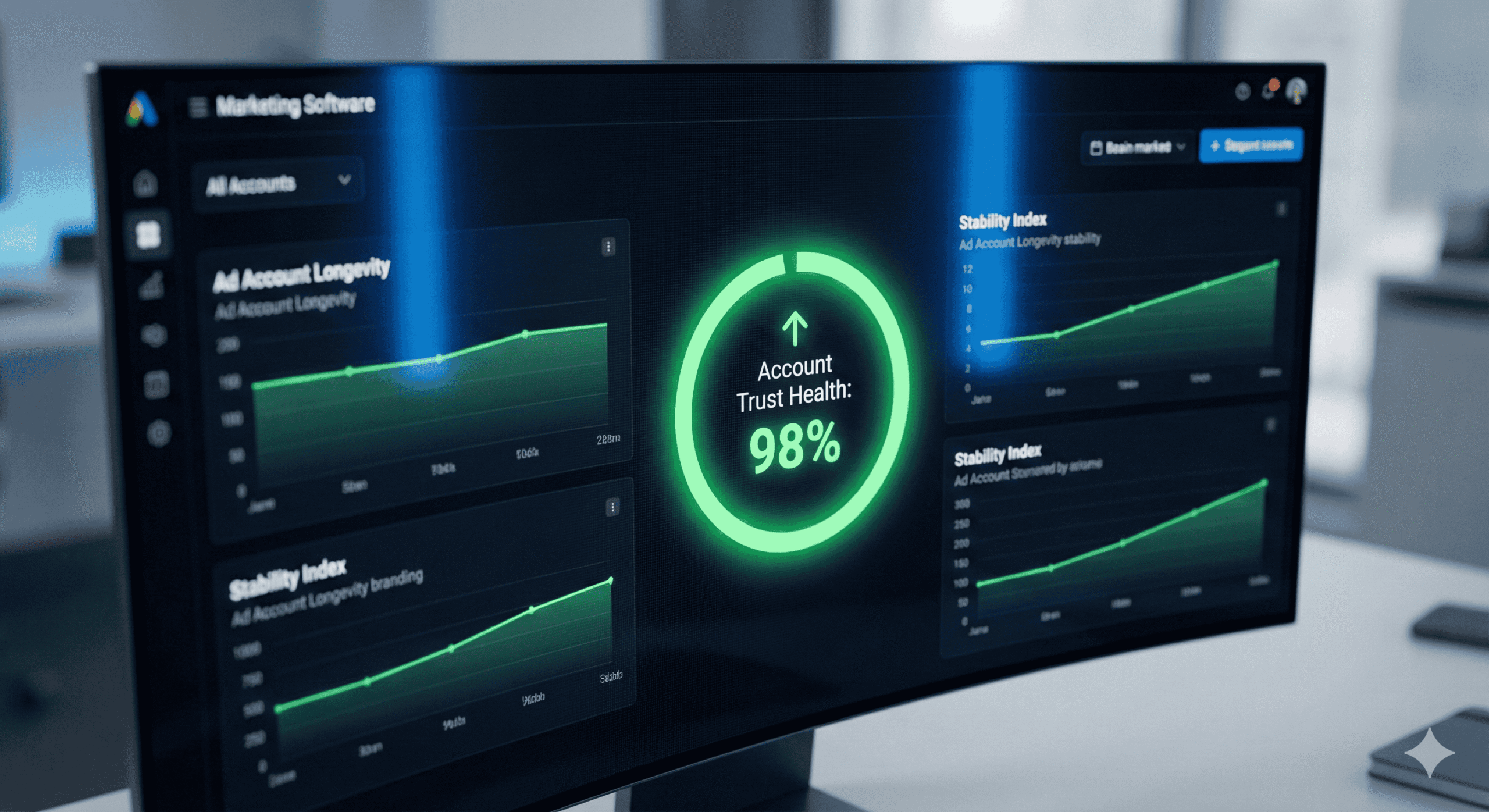
Best Facebook cloaker 2025 is not a vanity keyword; it is the difference between campaigns that print profit and campaigns that die overnight. When you finally find a winning angle and push budget hard, every tiny cloaking mistake becomes a leak that feeds reviewers, spy tools and low quality traffic while your ROI bleeds in silence.
Most media buyers discover too late that the problem was never only the offer or the creative, but a fragile protection layer glued together with guesswork and half-tested rules. If your cloaker leaks data, misroutes traffic or reacts slowly under pressure, you donate money to Facebook, competitors and fraudsters every single day without even realizing where the loss starts.
The real cost of ignoring cloaking basics
Many teams treat cloaking like a magic black box and never question what actually happens between the click and the lander. They bolt a tool like Adspect on top of a messy stack, keep default settings and assume the “advanced filtering” label will somehow save every campaign from review waves, scrapers and bot farms.
In reality, ignoring fundamentals usually creates three brutal side effects at scale that compound week after week. First, reviewers reach money pages because rules do not combine fingerprints, headers and behaviour, only IP lists and user agents that are easy to spoof. Second, junk traffic continues to enter the funnel, contaminating pixels and lookalike seeds that should contain only real buyers ready to convert. Third, bans hit in clusters, forcing emergency migrations to new domains, accounts and trackers instead of letting you execute a clean, planned growth roadmap.
Common cloaking mistakes that silently kill winning campaigns
To avoid common cloaking mistakes, you need brutal honesty about how your stack behaves under stress, not just during tiny tests with baby budgets. One of the worst errors appears when teams run the same rule set for every GEO, device and placement, as if US Facebook feed traffic behaved exactly like a low-quality remnant placement on a cheap native network.
Another classic failure happens when nobody owns logs, diagnostics or decision logic inside the team, so problems stay invisible until everything breaks. If your team never checks pass-through by cohort, header anomalies or bot fingerprints, you only notice issues when conversions crash and CPAs explode. Add on top the habit of copying random rule presets from forums and you create a Frankenstein cloaker that looks “pro” in screenshots yet collapses whenever detection tactics change in the real world.
Why TWR handles Facebook scale better than legacy cloakers
Legacy tools like Adspect or generic “all in one” filters sell flexibility, but they also push all operational risk back onto your media buyers. You get a massive rule builder, dozens of switches and zero opinion on what actually works for aggressive verticals under heavy review pressure, which means your team becomes the unpaid R&D department while bans keep piling up.
At TWR, we take a different stance from day one. We combine fingerprint analysis, header-based filtering and behavioural scoring inside a single decision engine tuned specifically for high-risk verticals and real scale. Instead of forcing you to babysit hundreds of brittle rules, we deliver opinions, presets and guardrails that protect funnels from scrapers, reviewers and junk clicks while preserving clean sessions for genuine buyers.
That is exactly where we see TWR outperform legacy cloakers in real accounts that arrive burned and desperate. Teams show up after weeks of bans, copied funnels and unstable metrics; after switching, they report more stable pass-through, longer domain life and conversion curves that finally match what the offers deserve instead of reflecting the limits of a weak cloaker.
Checklist: how to clean up your cloaking stack fast
Use this checklist before you dare to call anything the best Facebook cloaker 2025 inside your team or to your partners:
- Map every redirect, tracker and script between ad click and final checkout, then remove anything that adds risk without adding money.
- Segment rules by GEO, device and placement so high value traffic receives tighter protection than experimental leftovers and trash placements.
- Audit pass-through, CVR and time on page by cohort to catch anomalies early instead of waiting for bans or chargebacks to tell the story.
- Shield all presells, quizzes and VSLs, not only the last step, because spy tools and reviewers need just one exposed URL to rebuild your funnel.
- Document who owns cloaking decisions inside the team so there is always one person responsible for adjusting settings when pressure rises.
When you apply this checklist consistently, your traffic quality improves fast, creative testing becomes more predictable and each new scale wave hurts less. Most importantly, you stop confusing cloaker failures with offer fatigue, bad targeting or mythical “algorithm mood swings” that people blame when they do not want to audit their stack.
Talk to our specialists at TWR before scaling your next winner
At TWR, we work with teams in finance, health, crypto and sweepstakes that refuse to lose margin to lazy cloaking setups and slow reaction times. We review your current funnels, traffic sources and risk profile, then design a cloaking and filtering framework around TWR that fits your real scale targets instead of Instagram flex numbers.
If you are ready to stop rebuilding stacks every few weeks and start compounding results, talk to our team at TWR. We will show where your current cloaker silently fails, how TWR closes those gaps and what it takes to push budgets harder with cleaner data, healthier accounts and far fewer ugly surprises while competitors still blame the algorithm.